
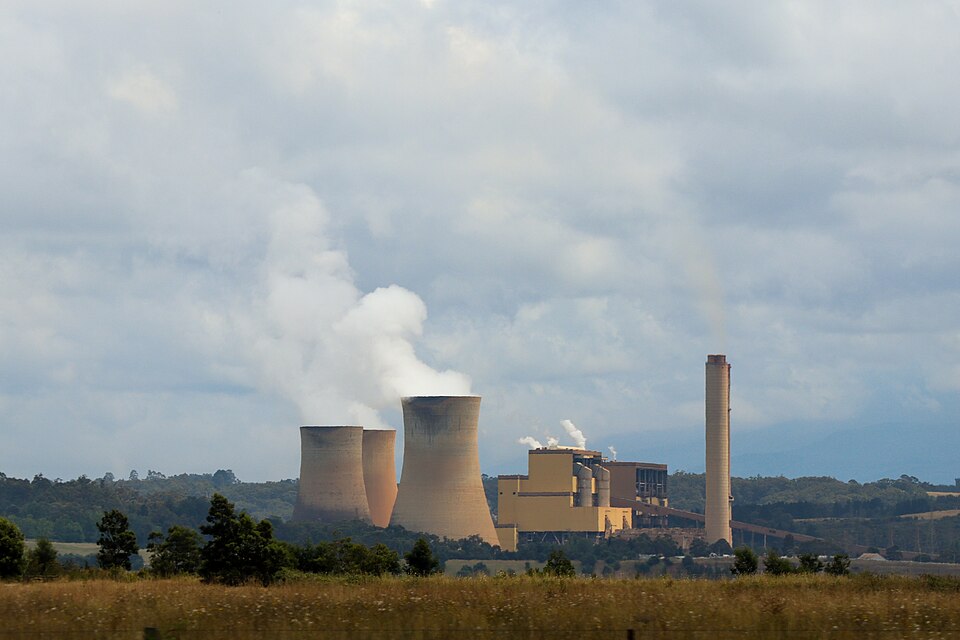
The Trump EPA formally proposed repeal of the Biden administration’s May 2024 Greenhouse Gas Standards rule for fossil fuel power plants in June 2025, claiming the rollback would save Americans more than $1 billion per year in compliance costs. The Biden rule, published in the Federal Register on May 9, 2024, required coal plants to adopt carbon capture technology or close on a specified timeline, and set strict methane limits for new natural gas plants. EPA targets a final repeal rule by December 2025.
The legal posture: industry and state challengers had sought an emergency stay from the DC Circuit; the court declined in October 2024. After the administration changed, EPA Administrator Lee Zeldin announced formal reconsideration in March 2025. The DC Circuit placed the underlying litigation in abeyance on April 25, 2025, with 90-day status reports, effectively pausing the case while EPA rewrites the rule. The practical effect is that the Biden GHG rule has been in regulatory limbo since January 2025 and will be replaced by a substantially less stringent standard.
For power sector investors, the repeal extends the operational life of coal plants that had begun compliance planning under the 2024 rule. It also removes the carbon capture investment driver for existing coal assets: under the Biden rule, carbon capture was one of the few pathways to keep a coal plant running post-2030. Gas plant investment decisions are less directly affected, since gas economics already favor new combined-cycle construction over coal regardless of EPA rules. The larger climate read is that federal power sector emissions regulation, which has been the central battleground of US climate policy since 2007, is in its weakest posture since the Obama era began.