
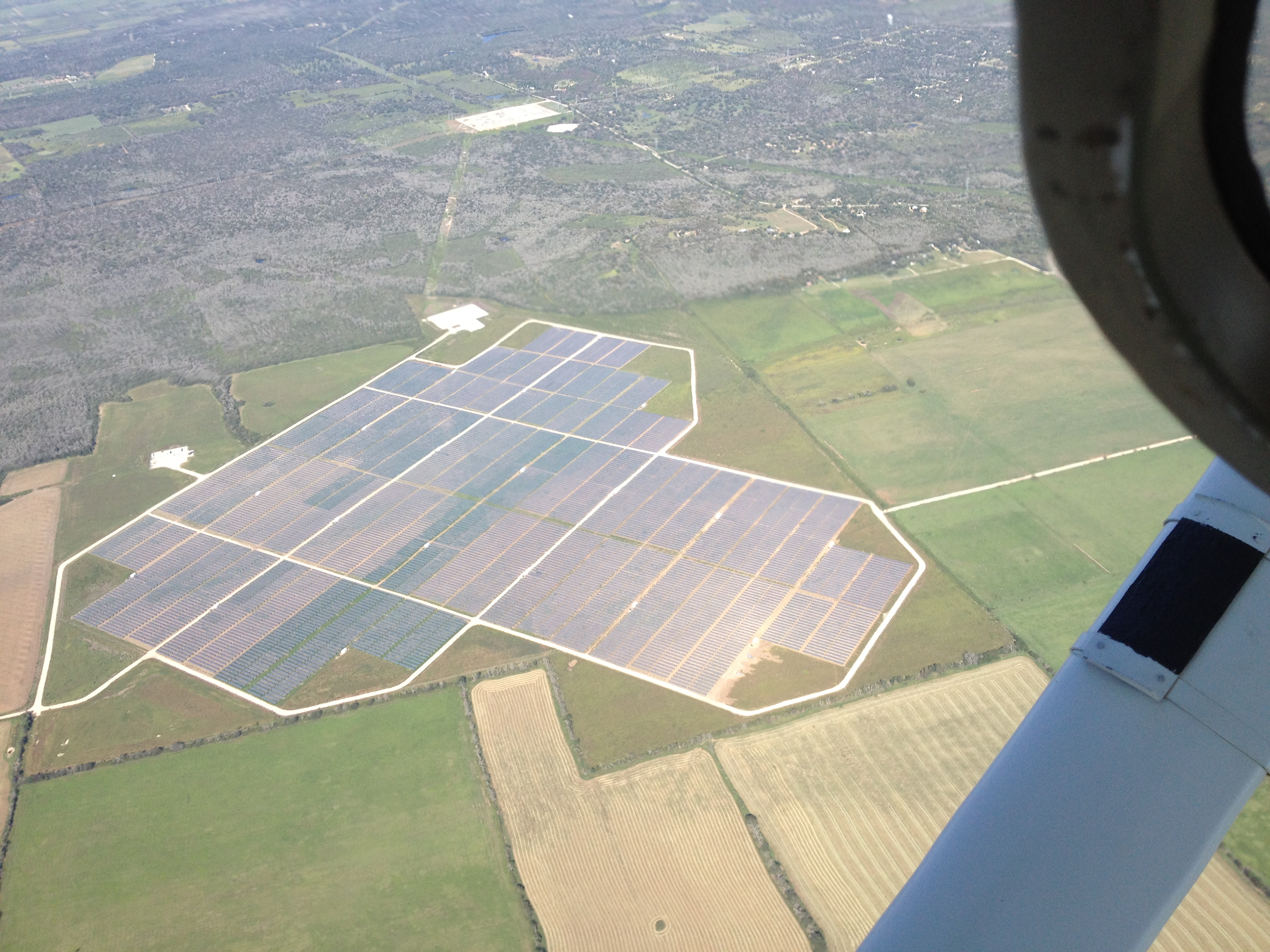
The US Department of Commerce issued final antidumping and countervailing duty determinations against solar cells and modules from Cambodia, Malaysia, Thailand, and Vietnam in April 2025, with the International Trade Commission affirming injury in June and duties taking effect June 16. CVD rates on Cambodian products reached 3,403.96%; AD rates on Vietnamese products reached 271%. Commerce found Chinese subsidies routed through all four countries, invalidating the Southeast Asian supply chain workaround that the industry had relied on since the 2012 China tariffs.
The immediate read for US solar economics: module costs rise, at least in the short term, for projects sourcing from the affected countries. Projects with contractually locked module prices from pre-tariff purchase agreements are protected; projects bidding new PPAs in Q3 2025 and beyond face higher input costs until domestic and non-affected-country supply catches up. First Solar (US-manufactured thin-film) is structurally advantaged by the ruling; Southeast Asian-sourced crystalline silicon supply chains take the direct hit.
The longer-term read is more nuanced. The tariff regime accelerates the reshoring thesis that the IRA’s Section 45X domestic manufacturing credit already set in motion. Developers who locked long-term module supply from compliant sources before the ruling have a cost advantage that compounds as spot module prices from affected countries adjust. The sourcing map for US utility-scale solar is being redrawn faster than most project pipelines expected.