
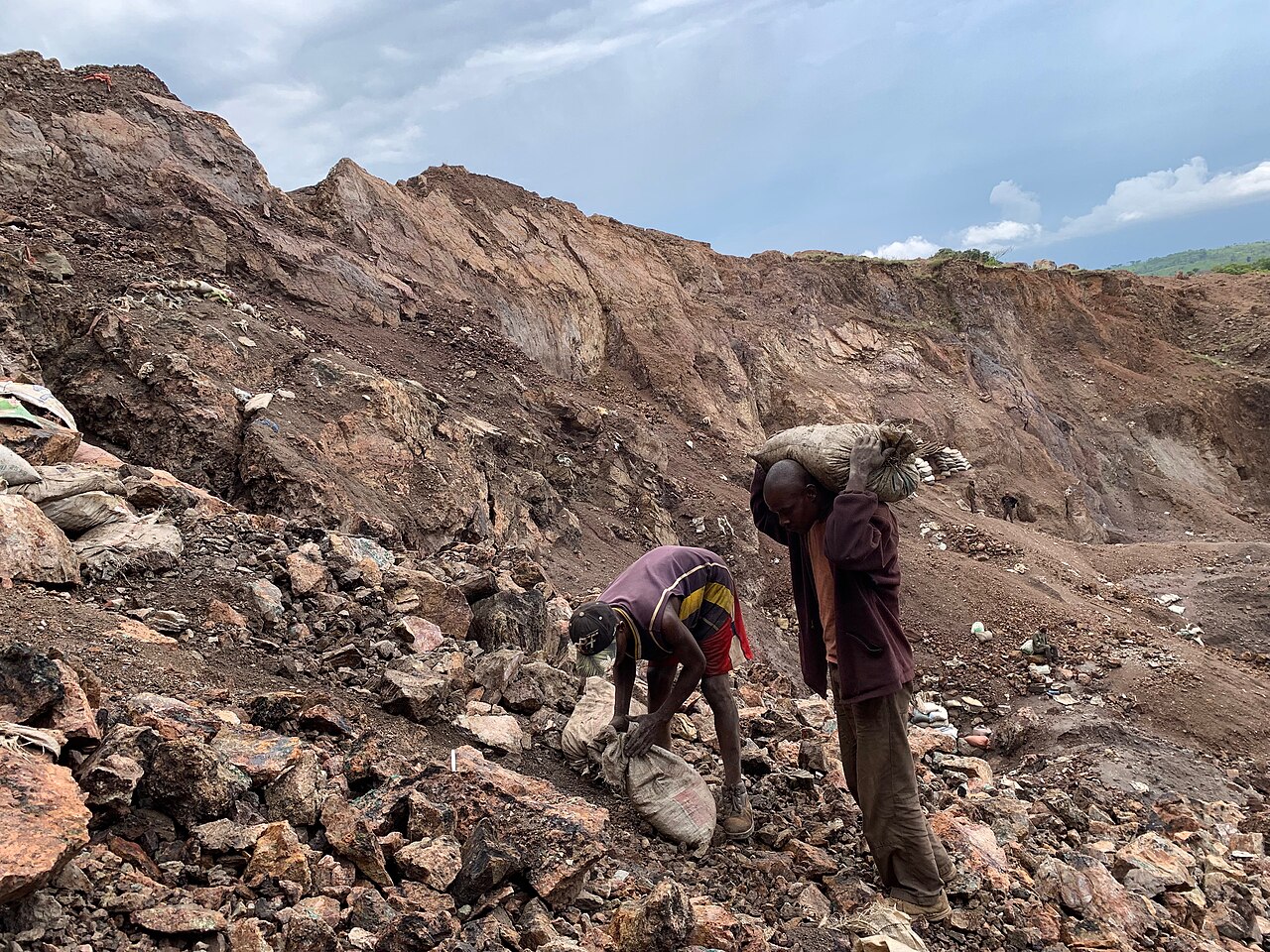
The Democratic Republic of Congo lifted a cobalt export suspension in October 2025 and replaced it with a quota framework: 18,125 metric tonnes through year-end 2025, then an annual cap of 96,600 tonnes for 2026-2027 (87,000 tonnes to producers, 9,600 held in a strategic reserve). Producers must prepay a 10% royalty within 48 hours of export allocation and hold compliance certificates. The DRC imposed the original ban in February 2025, extended it in June, and spent the intervening months negotiating the quota structure with producers and trading houses.
The DRC controls approximately 75% of global cobalt output. The eight-month export ban, combined with the quota restrictions that replaced it, is the clearest demonstration yet that producing-country resource nationalism is not a lithium-specific phenomenon. Cobalt, like lithium, ran through a price collapse in 2023-2024 as EV demand growth disappointed and new supply from DRC flooded the market. The quota framework is an explicit attempt by Kinshasa to enforce a price floor by restricting supply.
In practice, fewer than 50% of Q4 2025 quota allocations resulted in actual exports, due to the compliance certificate requirement and the 10% prepaid royalty creating operational friction for smaller trading intermediaries. A December 2025 US-DRC critical minerals agreement, focused on building local refining capacity in-country rather than shipping raw hydroxide, added a longer-term dimension to the bilateral relationship. For battery supply chain investors, the cobalt quota joins the lithium export controls and China’s antimony ban as evidence that the era of unconstrained commodity exports from producing countries is ending.