
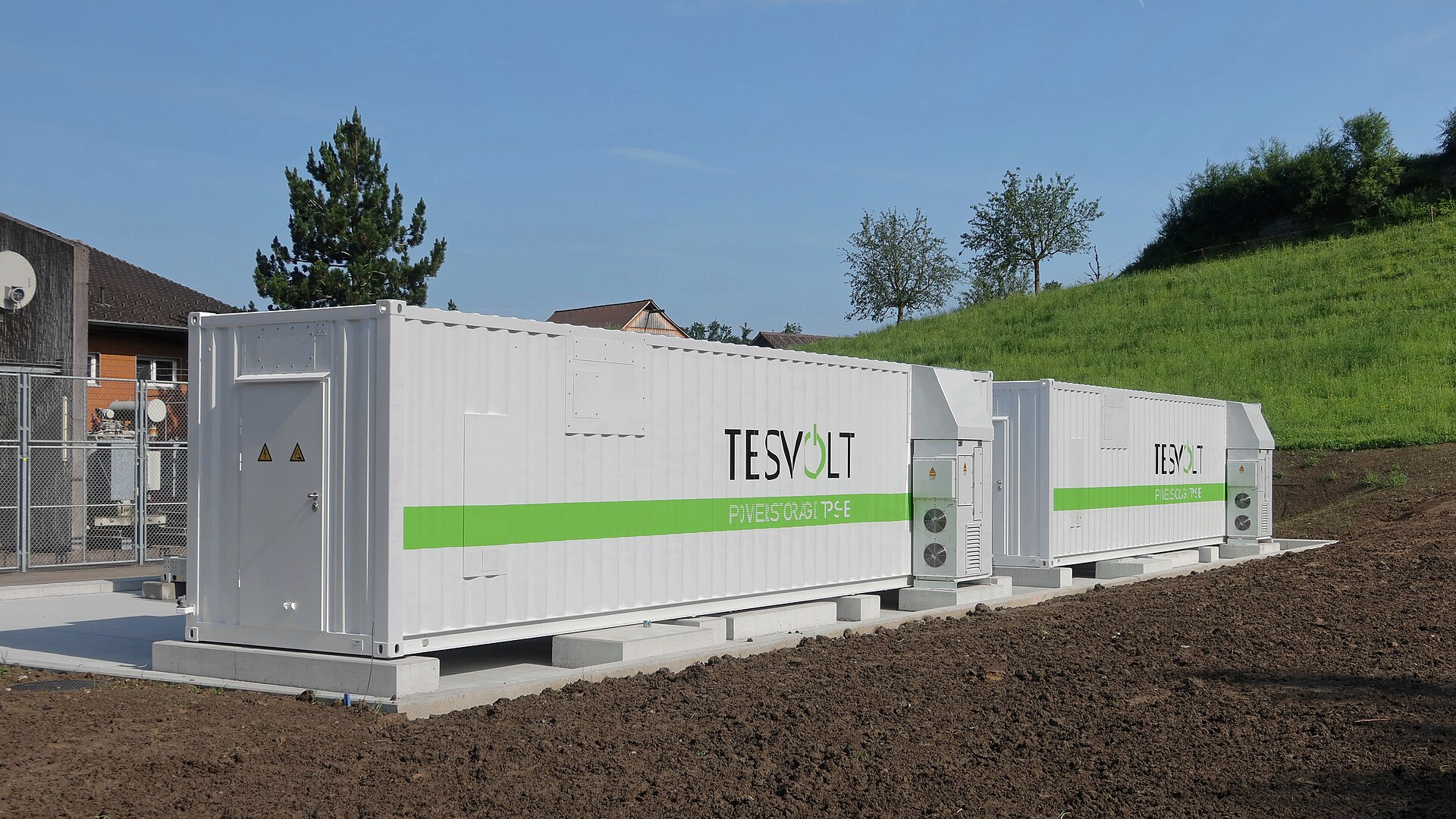
ERCOT entered 2026 with 13.9 GW and 22.9 GWh of commercially operational grid-scale battery storage, roughly triple the operational fleet of two years prior, per Modo Energy’s annual buildout report. Approximately 6 GW of new capacity came online during 2025 alone.
Forward modeling from Modo projects 40–55 GW of operational battery capacity on ERCOT by 2029, the high-end depending on attrition and delay assumptions. The technology mix is heavily one-hour and two-hour systems, which still consume meaningful per-MWh lithium volumes once you account for round-trip cycle assumptions.
A separate signal worth watching: BESS interconnection-queue applications dropped roughly 50% in H2 2025 as developers digested early-stage operational realities. The application drop doesn’t change the under-construction or already-permitted pipeline. It’s a leading indicator on the 2027–2029 second wave, not on near-term builds.
The data-center hookup is the new piece. Texas-developer Greenflash Infrastructure disclosed securing more than 10 GWh of BESS capacity earmarked for data-center power needs in early 2026: a concrete data point on the AI-data-center demand vector that has been mostly anecdotal until now.
For lithium investors: this is the single most-underweighted demand vector in current 2026–2030 supply-balance models, and ERCOT is the leading edge. MISO and PJM are 2–3 years behind ERCOT’s 2022 inflection point. The demand acceleration story has structural runway, not a near-term peak. Producer names with cell-pack offtake exposure (not pure auto-OEM exposure) get the cleanest tailwind from this trajectory.