
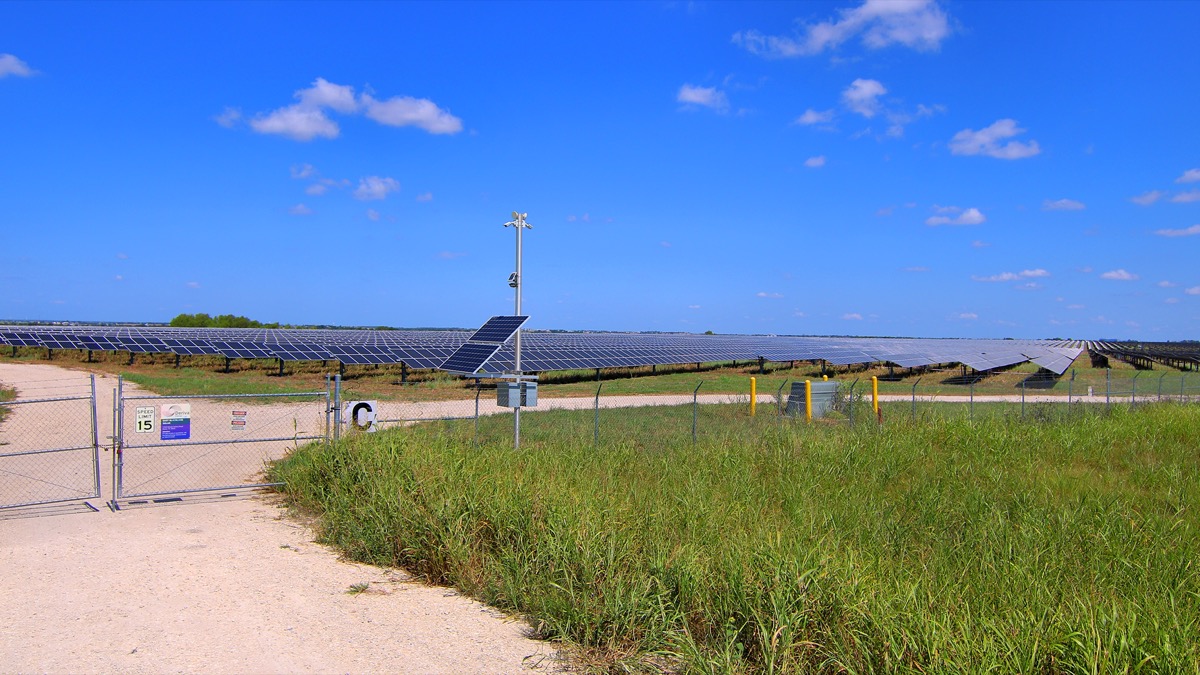
Texas generated 58,634 GWh from utility-scale solar in 2025, surpassing California’s 53,713 GWh for the first time, per EIA annual generation data. Texas had passed California in installed utility-scale solar capacity in 2024; 2025 was the first full year the generation advantage showed up in output numbers. California still leads nationally when small-scale residential solar is included. Nationally, utility-scale solar generation grew 35% in 2025.
The Texas solar boom is a market economics story, not a climate policy story. ERCOT operates without a state renewable portfolio standard or clean electricity mandate. Solar is winning in Texas because it is cheap, permitting is faster than most states, land is available, and ERCOT’s energy-only market structure rewards resources that can produce during high-price hours, which increasingly align with peak solar irradiance in the summer. The investor read: solar growth does not require climate policy framing to be durable; it requires a permitting environment and a market structure that prices energy rather than capacity.
For 2026, Texas accounts for approximately 40% of planned US utility-scale solar additions and 53% of planned battery storage capacity. Developers plan to add 43.4 GW of new US utility-scale solar in 2026, a roughly 60% increase in capacity additions year-over-year. The generation milestone is a leading indicator of what that pipeline looks like when it’s built: ERCOT will be the most consequential single electricity market for clean energy deployment in the US for the next several years, and it got there without a climate target.